Thursday, 17 December 2015

The Parts and Function of the Human Eyes

The Parts and Function of the Human Eyes

Vision Definition

1. What is vision? Why is vision important for life on earth?

Vision is the ability of some living organisms to perceive, to distinguish and to interpret luminous stimuli.
Vision is important on earth mainly in terrestrial and superficial aquatic habitats, because our planet is intensely exposed to sunlight and therefore light and colors become ways to distinguish objects present in the environment, even at distance. This distinction provided new survival strategies for organisms, new protection mechanisms against external dangers, new ways to find food and to communicate with other individuals, new types of courting and reproduction behaviors, etc. Overall, it created new possibilities of interaction with the surroundings and increased the capacity to explore new ecological niches.

2. How does photosensitivity in cnidarians, annelids and worms differ from that of insects, cephalopods and vertebrates?

Cnidarians, annelids and worms contain photoreceptor cells organized into ocelli or diffusely dispersed in the body. These animals do not perceive images.
Among insects, cephalopods and vertebrates, the photoreceptor cells are part of more sophisticated structures, the eyes, which are able to form images and send them to the nervous system.

The Structure of the Human Eyes

3. What structures compose the human vision apparatus?

The organs of the human visual apparatus are the eyes, the optic nerves and the visual areas of the brain (located in the occipital lobes of both hemispheres).

4. What are the main structures of the human eye?

The main structures of the human eye are the cornea, the iris, the pupil, the ciliary muscles, the crystalline lens and the retina (the space between the crystalline lens and the retina within the eyeball is filled with the vitreous humor).

5. What is the function of the iris and of the pupil?

The iris works like the diaphragm of a camera, since it has muscles that contract or relax, varying the diameter of the pupil. When the intensity of light increases, the parasympathetic nervous system commands the pupil to contract; and when there is a shortage of light, the sympathetic nervous system stimulates the dilation of the pupils. These movements depend upon the muscles of the iris.

6. Photoreceptor cells are cells that sense light. In which part of the human visual system are they located? How do these cells work?

Photoreceptor cells form the retina, a lamina that covers the internal posterior region of the eyeball. The photosensitive cells of the retina are divided into two types: cone cells and rod cells. These cells contain pigments that sense specific light wave ranges (frequencies) and trigger action potentials transmitted by the optic nerves to the visual area of the brain.

7. Since visual images are projected in an inverted manner on the retina why don't we see things upside down?

Since the crystalline lens is a convex spherical lens, it forms inverted images on the retina (every converging lens forms inverted images). The inverted information is transmitted via the optic nerves to the occipital cerebral cortex, which contains the visual area of the brain. In the brain. the interpretation of the image takes place and the inverted information is corrected.

7. Since visual images are projected in an inverted manner on the retina why don't we see things upside down?

Since the crystalline lens is a convex spherical lens, it forms inverted images on the retina (every converging lens forms inverted images). The inverted information is transmitted via the optic nerves to the occipital cerebral cortex, which contains the visual area of the brain. In the brain. the interpretation of the image takes place and the inverted information is corrected.

Vision Accommodation and Diseases

9. What is visual accommodation?

Visual accommodation is the phenomenon of varying the curvature of the crystalline lens to make the variation of its refractivity possible, as to adjust the images of objects exactly onto the retina. Visual accommodation is accomplished by the action of the ciliary muscles.
Focused vision depends on visual accommodation because, if the images are not projected onto the retina and are projected in front of it or behind it instead, they will appear blurred. The closer an object is, the more the ciliary muscles must compress the crystalline lens (increasing its curvature); and the more distant an object is, the more the ciliary muscles will relax.

10. What are the near point and far point of vision?

The near point is the closest distance between an object and the eye that allows the formation of a focused image; or rather, it is the point at which the ciliary muscles are at their maximum contraction. The far point is the most distant point from the eye at which an object can be located and seen in a focused manner; that is, it is the situation of maximum relaxation of the ciliary muscles. The zone between the near point and the far point is called the accommodation zone.

11. How can the visual deficiencies known as myopia and hypermetropia be optically explained?

Myopia is the visual condition in which images are formed before (in front of) the retina. Hypermetropia is the visual condition in which the point of image formation is beyond (behind) the retina. In reality, myopia is due to an increase in the distance between the retina and the crystalline lens, mainly caused by a slight flattening of the eyeball. In hypermetropia, the retina is too close to the crystalline lens due to a slight shortening of the eyeball.
In myopia, the near point and the far point of vision are closer (the refractivity of the crystalline lens corresponding to the maximum distension capacity of the ciliary muscles is not enough to provide visual accommodation). In hypermetropia, the ciliary muscles are not able to contract more to compensate for the inadequate position of the retina, meaning that the near point becomes more distant.

12. What are presbyopia and astigmatism?

Presbyopia is the visual impairment in which the strength of the ciliary muscle is lost, thus reducing the capability of the crystalline lens to adjust images of close objects onto the retina. In presbyopia, the near point of vision becomes more distant. This disease generally occurs in the elderly.
Astigmatism is caused by refractive structures of an irregular shape, mainly the cornea. In astigmatism, a single object-point may produce more than one image on the retina and, as a result, the vision becomes distorted.
Study Easy Questions and Answers on Blood

The Functions of Blood

1. What are the main functions of blood?

Blood is a means of substance transportation throughout the body. Blood distributes nutrients, oxygen, hormones, antibodies and cells specialized in defense to tissues and collects waste such as nitrogenous wastes and carbon dioxide from them.

The Components of Blood

2. What elements make up blood?

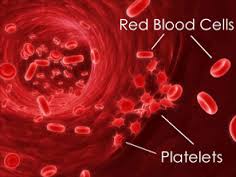
Blood is made of a liquid and a cellular portion. The fluid part is called plasma and contains several substances, including proteins, lipids, carbohydrates and mineral salts. The cellular components of blood are also known as blood corpuscles and they include erythrocytes (red blood cells), leukocytes and platelets.

Hematopoiesis, Bone Marrow and Stem Cells

3. What is hematopoiesis?

Hematopoiesis is the formation of blood cells and the other elements that make up blood.

4. Where does hematopoiesis occur?

Hematopoiesis occurs in the bone marrow (mainly within flat bones), where erythrocytes, leukocytes and platelets are made; and in lymphoid tissue, which is responsible for the maturation of leukocytes and which is found in the thymus, spleen and lymph nodes.

5. In which bones can bone marrow chiefly be found? Is bone marrow made of bone tissue?

Bone marrow can mainly be found in the internal cavities of flat bones, such as vertebrae, the ribs, the shoulder blades, the sternum and the hips.
Bone marrow is not made of bone tissue, although it is a connective tissue just like bone tissue.

6. What are blood stem cells?

Stem cells are undifferentiated cells able to differentiate into other types of specialized cells.
The stem cells of the bone marrow produce differentiated blood cells. Depending on stimuli from specific growth factors, stem cells are turned into red blood cells, leukocytes and megakaryocytes (the cells that form platelets). Research shows that the stem cells of the bone marrow can also differentiate into muscle, nervous and hepatic cells.

Red Blood Cells and Hemoglobin

7. What are the other names for erythrocytes? What is the function of these cells?

Erythrocytes are also known as red blood cells (RBCs) or red corpuscles. Red blood cells are responsible for transporting oxygen from the lungs to tissues.

8. What is the name of the molecule in red blood cells that transports oxygen?

The respiratory pigment of red blood cells is called hemoglobin.

9. What is the molecular composition of hemoglobin? Does the functionality of hemoglobin as a protein depend on its tertiary or quaternary structure?

Hemoglobin is a molecule made of four polypeptide chains, each bound to an iron-containing molecular group called a heme group. Therefore, the molecule contains four polypeptide chains and four heme groups.
As a protein composed of polypeptide chains, the functionality of hemoglobin depends upon the integrity of its quaternary structure.

10. On average, what is the lifespan of a red blood cell? Where are they destroyed? Where do heme groups go after the destruction of hemoglobin molecules?

On average, red blood cells live for around 120 days. The spleen is the main organ where old red blood cells are destroyed.
During the destruction of red blood cells, the heme groups turn into bilirubin and this substance is then captured by the liver and later excreted to the bowels as a part of bile.

11. What are the functions of the spleen? Why can people still live after a total splenectomy (surgical removal of the spleen)?

The spleen has many functions: it participates in the destruction of old red blood cells; in it specialized leukocytes are matured; it helps regenerate the hematopoietic tissue of bone marrow when necessary; and it can act as a sponge-like organ to retain or release blood into circulation.
It is not impossible to live after a total splenectomy because none of the functions of the spleen are both vital and exclusive to  this organ.

Anemia Explained

12. What is anemia? What are the four main types of anemia?

Anemia is a low concentration of hemoglobin in the blood.
The four main types of anemia are nutrient-deficiency anemia, anemia caused by blood loss, hemolytic anemia and aplastic anemia.
Nutrient-deficiency anemia is caused by a dietary deficiency in fundamental nutrients necessary for the production or functioning of red blood cells, such as iron (iron deficiency anemia), vitamin B12 and folic acid.
Anemia caused by blood loss occurs in hemorrhagic conditions or in diseases such as peptic ulcerations and hookworm disease.
Hemolytic anemia is caused by the excessive destruction of red blood cells, for example, in diseases such as malaria or in hypervolemic conditions (excessive water in blood causing lysis of red blood cells).
Aplastic anemia occurs from deficiencies in hematopoiesis and occurs when bone marrow is injured by cancer from other tissues (metastasis), by autoimmune diseases, by drug intoxication (such as sulfa drugs and anticonvulsants) or by chemical substances (such as benzene, insecticides, paints, herbicides and solvents in general). Some genetic diseases also affect bone marrow, causing aplastic anemia.

White Blood Cells

13. What is the difference between white and red blood cells? What are leukocytes?

Red blood cells are called erythrocytes and white blood cells are called leukocytes.
Leukocytes are cells specialized in the defense of the body against foreign agents and are part of the immune system.

14. What are the different types of leukocytes and how are they classified into granulocytes and agranulocytes?

The types of leukocytes are lymphocytes, monocytes, neutrophils, eosinophils and basophils. Granulocytes are those with a cytoplasm that contains granules (when viewed under electron microscopy): neutrophils, eosinophils and basophils are granulocytes. Agranulocytes are the other leukocytes: lymphocytes and monocytes.

15. What is the generic function of leukocytes? What are leukocytosis and leukopenia?

The generic function of leukocytes is to participate in the defense of the body against foreign agents that penetrate it or are produced inside the body.
Leukocytosis and leukopenia are clinical conditions in which a blood sample contains an abnormal count of leukocytes. When the leukocyte count in a blood sample is above the normal level for the individual, it is called leukocytosis. When the leukocyte count is lower than the expected normal level, it is called leukopenia. The multiplication of these defense cells, leukocytosis, generally takes place when the body is suffering from infections or in cancer of these cells. A low count of these defense cells, or leukopenia, occurs when some diseases, such as AIDS, attack the cells or when immunosuppressive drugs are used.
In general, the body uses leukocytosis as a defense reaction when it is facing infectious or pathogenic agents. The clinical condition of leukocytosis is therefore a sign of infection. Leukopenia occurs when there is a deficiency in the production (for example, in bone marrow diseases) or excessive destruction of leukocytes (for example, in the case of HIV infection).

Platelets and Hemostasis

16. What are the mechanisms to contain hemorrhage called?

The physiological mechanisms to contain hemorrhage (one of them is blood clotting) are generically called hemostasis, or hemostatic processes.

17. How are platelets formed? What is the function of platelets? What are the clinical consequences of the condition known as thrombocytopenia?

Platelets, also known as thrombocytes, are fragments of large bone marrow cells called megakaryocytes. Through their properties of aggregation and adhesiveness, they are directly involved in blood clotting as well as release substances that activate other hemostatic processes.
Thrombocytopenia is a clinical condition in which the blood platelet count of an individual is lower than normal. In this situation, the person becomes susceptible to hemorrhages.

The Coagulation Cascade

18. How does the body know that the coagulation process must begin?

When tissue wound contains injury to a blood vessel, the platelets and endothelial cells of the wall of the damaged vessel release substances (platelet factors and tissue factors, respectively) that trigger the clotting process.

19. How can the blood coagulation (clotting) process be described?

Blood clotting encompasses a sequence of chemical reactions whose products are enzymes that catalyze the subsequent reactions (that is why clotting reactions are called cascade reactions). In the plasma, thromboplastinogen transforms into thromboplastin, a reaction triggered by tissue and platelet factors released after injury to a blood vessel. Along with calcium ions, thromboplastin then catalyzes the transformation of prothrombin into thrombin. Thrombin then catalyzes a reaction that produces fibrin from fibrinogen. Fibrin, as an insoluble substance, forms a network that traps red blood cells and platelets, thus forming the blood clot and containing the hemorrhage.

20. What are clotting factors?

Clotting factors are substances (enzymes, coenzymes, reagents) necessary for the clotting process to happen. In addition to the triggering factors and reagents already described (tissue and platelet factors, thromplastinogen, prothrombin, fibrinogen, calcium ions), other substances participate in the blood clotting process as clotting factors. One of these is factor VIII, the deficiency of which causes hemophilia A, and another is factor IX, the deficiency of which causes hemophilia B.

21. In what organ are most of the clotting factors produced? What is the role of vitamin K in blood coagulation?

Most clotting factors are produced in the liver.
Vitamin K participates in the activation of several clotting factors and is essential for the proper functioning of blood coagulation.

Hemophilia Explained

22. What is factor VIII? What is the genetic disease in which this factor is absent?

Factor VIII has the function of activating factor X, which in turn is necessary for the transformation of prothrombin into thrombin during the clotting cascade. Hemophilia A is the X-linked genetic disease in which the individual does not produce factor VIII and as a result is more susceptible to severe hemorrhages.

23. How is hemophilia treated? Why is hemophilia rare in females?

Hemophilia is medically treated with the administration of factor VIII, in the case of hemophilia A, or of factor IX, in the case of hemophilia B, by means of blood or fresh frozen plasma transfusions.
Both hemophilia A or B are X-linked recessive diseases. For a girl to be hemophilic, it is necessary for both of her X chromosomes to be affected whereas boys, who have only one X chromosome, are more easily affected. A girl with only one affected chromosome does not present the disease, since the normal gene of the unaffected X chromosome produces the clotting factor.

24. What is the epidemiological association between hemophilia and HIV infection?

Since hemophilic patients need frequent transfusions of clotting factors (VIII or IX) they are more susceptible to contamination by infectious agents present in the blood from which the transfused elements come. In the past, blood banks did not usually perform HIV detection tests and many hemophilic patients have become infected with the virus.

Anticoagulation and Fibrinolysis

25. What are anticoagulants? What are the practical applications of anticoagulants, such as heparin, in Medicine?

Anticoagulants are substances that block clotting reactions and therefore stop the coagulation process. Ordinarily, anticoagulants circulate in the plasma, since under normal conditions blood must be maintained fluid.
In Medicine, anticoagulants such as heparin are used in surgeries in which tissue injuries caused by surgery act could trigger undesirable systemic blood clotting. They are also used to avoid the formation of thrombi inside the blood vessels of patients riskat an increased risk for thrombosis.

26. What is dicoumarol? What is the role of this substance in the clotting process and what are some examples of its toxicity?

Dicoumarol is an anticoagulant drug. Due to its molecular structure, dicoumarol competes with vitamin K to bind to substrates, thus blocking the formation of clotting factors and interrupting the production of prothrombin. Dicoumarol is found in some decomposing vegetables and can cause severe internal hemorrhages when those vegetables are accidentally ingested. Coumarinic anticoagulants cannot be administered during pregnancy since they pass the placental barrier and can cause fetal hemorrhages.

27. Streptokinase is a substance used in the treatment of acute myocardial infarction. What is function of this substance?

Substances known as fibrinolytics, such as streptokinase and urokinase, can destroy thrombi (clots formed inside blood vessels, capillaries or within the chambers of the heart) and are used in the treatment of obstructions of the coronary arteries or other blood vessels.
Streptokinase destroys the fibrin network and as a result dissolves the thrombotic clot. Its name is derived from the bacteria that produce it, streptococci.

20 question and answer About the Human Circulatory System

Circulation in Animals

1. What is circulation?

Circulation is the movement of substances such as nutrients and gases within blood vessels and cavities throughout the body.

2. Do all animals have a circulatory system?

Not all animals have a circulatory system.
Poriferans, cnidarians, platyhelminthes and nematodes (nematodes have pseudocoelom fluid but no vessels) are avascular animals. Echinoderms do not have true circulatory systems either.

3. What is the alternative means of substance transport in animals without a circulatory system? Why is blood important for larger animals?

In animals that do not contain a circulatory system, the transport of substances occurs by cell to cell diffusion.
Blood is a fundamental means of substance transport for larger animals since, in these animals, tissues are distant from each other and from the environment thus making diffusion impossible.

Open and Closed Circulatory Systems

4. What are the two types of circulatory systems?

Circulatory systems can be classified into open circulatory systems and closed circulatory systems.

5. What is an open circulatory system?

An open circulatory system is one in which blood does not circulate only inside blood vessels but also flows into cavities that irrigate tissues. In open circulatory systems, blood pressure is low and generally the blood (called hemolymph) has a low level of cellularity.
Arthropods, molluscs (cephalopods are exception) and protochordates have open circulatory systems.

6. What is a closed circulatory system?

A closed circulatory system is one in which blood circulates only inside blood vessels. For this reason, the blood pressure is higher in animals with closed circulatory systems. The cellularity of the blood is also higher, with many specific blood cells.
Closed circulatory systems are a feature of annelids, cephalopod molluscs and vertebrates.

7. What are the advantages of a closed circulatory system over an open circulatory system?

A closed circulatory system is more efficient. Since blood circulates only inside blood vessels, it has a higher pressure and, as a result, can travel greater distances to the organs where hematosis happens and to peripheral tissues. In addition, the higher circulatory speed increases the animal’s capacity to distribute large supplies of oxygen to tissues that consume it in large amounts, such as muscle tissues, which can then perform faster movements. Animals with an open circulatory system (with the exception of insects, which carry out gas exchange separately from circulation) are generally slower and have a low metabolic rate.

8. What is the difference between octopuses and mussels regarding their circulatory systems? How does that difference have an effect on the mobility of these animals?

Cephalopod molluscs, such as octopuses and squids, have a closed circulatory system with blood pumped under pressure flowing within vessels. Bivalve molluscs, such as mussels and oysters, have an open circulatory system (also known as a lacunar circulatory system) where blood flows under low pressure, since it falls into cavities in the body and does not only circulate within blood vessels. Molluscs with closed circulatory systems are larger, agile and can actively move; molluscs with open circulatory systems are smaller, slow and some are practically sessile.

9. Why can flying insects such as flies beat their wings at a great speed despite having an open circulatory system?

In insects, the circulatory system is open but this system does not participate in the gas exchange process or in oxygen supply to tissues. Gases enter and exit through the independent tracheal system, which allows for the direct contact of cells with the ambient air. Therefore, an insect can supply the large oxygen demand of its fast-beating wing muscles even though it has an open circulatory system.

The Components of the Circulatory System

10. What are the typical components of a closed circulatory system?

The typical components of a closed circulatory system are blood vessels within which blood circulates (arteries, veins and capillaries), a pumping organ (heart) and blood or bloodlike fluid.

11. How does the heart pump blood?

The heart is a muscular organ that contains chambers (right atrium and right ventricle and left atrium and left ventricle) through which blood passes. The blood enters the heart in the atria, goes to the ventricles and then leaves the organ.
The blood is pumped out of the heart by the contraction of the muscle fibers that form the ventricular walls. The contraction reduces the volume of ventricle, thus increasing the internal pressure and forcing the blood to flow to the exit vessels (the pulmonary artery for the right ventricle and the aorta for the left ventricle). When ventricular muscle fibers expand, the ventricles regain their original size and receive new blood flow from the atria.

12. What is the difference between systole and diastole?

Systole and diastole are the two stages into which the cardiac cycle is divided. Systole is the stage when the contraction of ventricular muscle fibers occurs and the ventricles are emptied. Diastole is the stage of the cardiac cycle when the ventricular muscle fibers expand and the ventricles are filled with blood.

13. What are arterial vessels, arteries and arterioles?

Arterial vessels are every blood vessel that carries blood from the heart to tissues. Arteries and arterioles are arterial vessels. Arterioles are thin arteries that end in capillaries.
However, not all arteries contain arterial blood (highly oxygenated blood). The pulmonary artery and its branches, arteries that carry blood from the right heart ventricle to the lungs, contain venous blood.

14. What are venous vessels, veins and venules?

Venous vessels are every blood vessel that carries blood from tissues to the heart. Veins and venules are venous vessels. Venules are thin veins connected to capillaries.
In general, venous vessels carry venous blood. However, the pulmonary veins that carry blood from the lungs to the left atrium of the heart contain arterial blood.

15. What are the capillaries of the vascular system?

Capillaries are small blood vessels that carry out the exchange of substances between the blood and body tissues. Capillaries are neither arteries nor veins since they have distinct features. In capillaries, the wall is made of a single layer of endothelial cells through which substances are exchanged. These vessels receive blood from arterioles and drain into venules.

16. What part of the vascular system carries out the exchange of gases and other substances between tissues?

Only capillaries carry out the exchange of gases and other substances between tissues.

17. Which contain more muscle tissue, arteries or veins? How different are the walls of these two types of blood vessels?

The arterial system has thicker muscle walls, since within arteries blood circulates under higher pressure. Veins are more flaccid than arteries.
From the lumen to the external layer, both types of vessels are made of endothelium, muscle tissue and connective tissue. The endothelium of both is made up of a single layer of cells. In arteries, the muscle tissue portion is thicker than in veins whereas, in veins, the external connective tissue is thicker than in arteries.
Arteries are pulsating blood vessels. The arterial pulse can be felt during a medical examination, for example, through the palpation of the radial artery in the internal-lateral face of the wrist near the base of the thumb.

18. What are the valves of the venous system? What is their function?

The valves of the venous system are structures inside veins that make it so that blood only flows in the right direction (from tissues to the heart). preventing it from going backwards in favor of gravity. The valves close when the pressure of the fluid column above (afterwards, in terms of normal flow) is higher than the fluid pressure below them. Valves are therefore necessary for the process of blood returning to the heart.

19. How do the muscles of the legs and feet contribute to venous return?

The muscles of the legs, and mainly the muscles of the calves, contract and compress the deep veins of the legs, pushing blood towards the heart.
The plantar portion of the foot holds blood and, when it is pushed against the ground,  it pushes its blood volume back towards the heart and therefore aids in venous return.

20. What are varices? Why are they more common on the lower limbs?

A varix means is an abnormal enlargement of a vein. Varices occur when excessive pressure against the normal blood flow enlarges the vein and, as a result, causes its valves to stop working properly (venous insufficiency).
Varices are more common in the veins of the lower limbs since the fluid column above these vessels is higher. This is the reason why people who spend a large amount of time standing (e.g., surgeons) are more likely to develop varices.
In general, varices are not the superficial veins that can be seen on the legs of varix patients. These superficial veins are the result of internal varices (venous insufficiency) in the deep internal veins of the legs. These outer veins appear this way because blood flow is diverted from the internal veins to superficial ones. (However, superficial veins with this appearance are often called varices.)

Learn About All Branches of Zoology


By studying all the Q&As contained here, you will learn all you need to know about the kingdoms of life.


Poriferans

Poriferans, more commonly known as sponges, are the simplest of all animals. Learn more about these living creatures by thoughtfully reviewing these Q

Flatworms

Learn all about flatworms, or platyhelminthes, in this list of easy to follow Q&


Flatworms

Learn all about flatworms, or platyhelminthes, in this list of easy to follow Q&As.

Roundworms

Roundworms, otherwise known as nematodes, are waiting to be discovered here in our easy to digest Q&As.

Annelids

Studying earthworms, leeches and lugworms has never proved easier than simply following our step-by-step Q&As.

Arthropods

The fascinating world of insects, crustaceans, and arachnids awaits you here in this sequence of Q&As. Get started now!

Molluscs

A popular subject in biology exams, you’ll find plenty of pearls of wisdom about molluscs right here.

Echinoderms

Did you know that echinoderms appear to nearest resemble our own phyla from an evolutionary perspective? Find out here whether you might in fact be a sea cucumber!


Chordates

Vertebrates make up the majority of the chordate phylum. These Q&As cover the backbone of all information to help you easily understand chordates.

Fish

Fish are divided into chondrichthyes and osteichthyes. With these helpful Q&As, you’ll find learning about them is a lot easier than pronouncing them!

Amphibians

Frogs are the transitional beings between aquatic and terrestrial vertebrates and represent an important part of our environment. Learn all you need to know about them here, in our easy to follow Q&As.

Reptiles

Dinosaurs may be extinct, but one look at the movie “Jurassic Park” and you’ll understand why it’s so important to study these reptiles. Studying our Q&As is easier than being gobbled up by a Tyrannosaurus rex...and far more painless!

Birds

Learn about our many feathered friends here. Don't let the knowledge fly away from you. With these handy Q&As, you’ll be parroting information in no time!

Mammals

Saving the best for last, we come to our own classification: mammals. Follow these enlightening Q&As to find out what makes you tick!

India's first bullet train: interesting facts

भारत की पहली बुलेट ट्रेन : रोचक जानकारियां
≡≡≡≡≡≡≡≡≡≡≡≡≡≡≡≡≡≡≡≡≡≡
1. मुंबई से अहमदाबाद - रु 2800 किराया होगा
.
2. भारत में पहली बुलेट ट्रेन के लिए जापान इंटरनेशनल कॉर्पोरेशन एजेंसी (JICA) और भारतीय रेल मंत्रालय ने साल पहले ही स्टडी शुरू की थी। इसके बाद 2015 में भारत को यह रिपोर्ट सौंपी गई।
.
3. बीबीसी ने जेआईसीए के स्टडी के आधार पर यह बताया है कि मुंबई से अहमदाबाद तक के सफर के लिए लगभग 2800 रुपए चुकाने पड़ेंगे। इस रूट पर अभी सबसे ज्यादा किराया मुंबई शताब्दी के फर्स्ट क्लास का है। इस सफर को प्लेन से तय करने में एक घंटे 10 मिनट का समय लगता है जिसके लिए लभगभ 3000 रुपए चुकाने पड़ते हैं।
.
4. जेआईसीए की एक रिपोर्ट के आधार पर मुंबई-अहमदाबाद बुलेट ट्रेन की स्पीड अधिकतम 350 किमी/घंटा हो सकती है।
.
5. मुंबई-अहमदाबाद के बीच की दूरी 505 किमी है। इसे अभी तय करने में 7 घंटे का समय लगता है। बुलेट ट्रेन से यह दूरी केवल 2 घंटे में तय की जा सकेगी।
.
6. जेआईसीए की रिपोर्ट में कहा गया है कि बुलेट ट्रेन का यह रूट 1435 मिमी चौड़ा होगा। वर्तमान में भारतीय ट्रेन जिस ट्रैक पर दौड़ती है उसकी चौड़ाई 1676 मिमी है।
.
7. जेआईसीए की रिपोर्ट के अनुसार मुंबई से अहमदाबाद के बीच बुलेट ट्रेन कुल 12 स्टेशनों से होकर गुजरेगी।
इस दौरान वह 162 किमी पुल पर और 27 किलोमीटर की दूरी 11 सुरंगों के बीच से निकल कर तय करेगी।
.
8. रिपोर्ट के अनुसार इस ट्रेन में रोजाना 40,000 यात्री इस सुविधा का लाभ उठा सकेंगे। इसका काम 2023 तक पूरा होने की संभावना है।

Wednesday, 16 December 2015

खेल सामान्य ज्ञान | खेल प्रश्नोत्तरी 2014

खेल सामान्य ज्ञान | खेल प्रश्नोत्तरी 2014

1. क्रिकेट में बल्ले की अधिकतम अनुमानत: लम्बाई निम्नलिखित में से कितनी होती है?
(A) 32 (B) 34 (C) 36 (D) 38
Ans : (A)
2. क्रिकेट पिच पर पोपिंग क्रीज और स्टम्प के बीच की दूरी निम्नलिखित में से कितनी होती है?
(A) 2 ½ फीट (B) 3 फीट (C) 3 ½ फीट (D) 4 फीट
Ans : (C)
3. एक दिवसीय अन्तर्राष्ट्रीय क्रिकेट में सर्वाधिक खिलाडियों को आउट करने का श्रेय किसे प्राप्त है?
(A) शेन वार्न (B) वसीम अकरम (C) कपिल देव (D) मुथैया मुरलीधरन
Ans : (D)
4. भारत का एक अति युवा खिलाड़ी विर्धवाल खाड़े निम्नलिखित में से क्या है?
(A) मुक्केबाज (B) शतरंज खिलाड़ी (C) गोल्फ खिलाड़ी (D) तैराक
Ans : (D)
5. विश्व कप क्रिकेट में ‘मैन आफ द टूर्नामेण्ट का पुरस्कार 1992 से प्रारम्भ किया गया है। निम्नलिखित में से किस देश के खिलाड़ी को यह सम्मान अभी तक प्राप्त नहीं हुआ है?
(A) न्यूजीलैंड (B) श्रीलंका (C) भारत (D) पाकिस्तान
Ans : (D)
6. एक दिवसीय अन्तर्राष्ट्रीय क्रिकेट मैचों में सबसे कम रन बनाने का रिकॉर्ड किस देश की टीम का है?
(A) पाकिस्तान (B) कनाडा (C) बांग्लादेश (D) जिम्बाब्वे
Ans : (B)
7. भारत के किस खिलाड़ी के नाम सर्वाधिक रनों का टेस्ट स्कोर है?
(A) सुनील गावस्कर (B) वी. वी. एस. लक्ष्मण (C) कपिल देव (D) वीरेन्द्र सहवाग
Ans : (D)
8. निम्न खिलाड़ी ने सबसे कम आयु में भारतीय टेस्ट क्रिकेट की कप्तानी की?
(A) सचिन तेन्दुलकर (B) अजहरुद्दीन (C) नवाब पटौदी (D) कपिल देव
Ans : (C)
9. निम्नांकित क्रिकेट खिलाडियों में से कौन पाकिस्तान की राजनीति में सक्रिय हुआ है?
(A) वसीम अकरम (B) जावेद मियांदाद (C) जहीर अब्बास (D) इमरान खान
Ans : (D)
10. टेस्ट क्रिकेट के इतिहास में सबसे कम आयु में शतक बनाने वाला खिलाड़ी कौन है?
(A) नवजोत सिंह सिद्धू (B) मुश्ताक मोहम्मद (C) मौ. अशरफुल (D) सचिन तेंदुलकर
Ans : (C)
11. ‘सिली प्वाइन्ट किस खेल से सम्बन्धित है?
(A) क्रिकेट से (B) टेनिस से (C) बैडमिन्टन से (D) ब्रिज से
Ans : (A)
12. निम्नांकित में किसको क्रिकेट में ‘चाइनामैन कहते हैं?
(A) जो बल्लेबाज हर गेंद पर छक्का मारने का प्रयास करे (B) बल्लेबाज के नजदीक खड़ा वह क्षेत्ररक्षक जो हेलमैट नहीं पहनता हो
(C) वह कप्तान जिसके चेहरे पर कोई भाव नहीं आता (D) बाएँ हाथ के धीमे गेंदबाज द्वारा फेंकी गई आफ–ब्रेक गेंद
Ans : (D)
13. विश्व कप फुटबॉल, 2010 का आयोजन किस देश में हुआ?
(A) ब्राजील (B) दक्षिण अफ्रीका (C) चीन (D) जर्मनी
Ans : (B)
14. प्रसिद्ध खिलाड़ी पेले किस देश के हैं?
(A) बेलिजयम (B) ब्राजील (C) पुर्तगाल (D) सेनेगल
Ans : (B)
15. मोहन बागान, ईस्ट बंगाल तथा मोहम्डन स्पोर्टिंग क्लब किस खेल से सम्बन्धित है?
(A) हॉकी (B) क्रिकेट (C) फुटबॉल (D) पोलो
Ans : (C)
16. कौनसी प्रतियोगिता राष्ट्रीय फुटबॉल प्रतियोगिता से सम्बन्धित है?
(A) रणजी ट्राफी (B) दिलीप ट्राफी (C) डूरण्ड ट्राफी (D) संतोष ट्राफी
Ans : (D)
17. किस देश की टीम ने फुटबॉल का ‘विश्व कप पांच बार जीता है?
(A) इटली (B) ब्राजील (C) जर्मनी (D) उरुग्वे
Ans : (B)
18. टेनिस में ग्रैण्डस्लैम जीतने के लिए खिलाड़ी को निम्नलिखित में से कौनसा एक टूर्नामेंट समूह जीतना आवश्यक है?
(A) आस्ट्रेलियाई ओपेन, विम्बलडन, फ्रेंच ओपेन, यू. एस. ओपेन (B) विम्बलडन, फ्रेंच ओपेन, यू. एस. ओपेन
(C) विम्बलडन, फ्रेंच ओपेन, पेगस चेक ओपेन, यू. एस. ओपेन (D) डेविस कप, विम्बलडन, फ्रेंच ओपेन
Ans : (A)
19. निम्नलिखित में से कौनसी अन्तर्राष्ट्रीय टेनिस खेल प्रतियोगिता घास के मैदान में खेली जाती है?
(A) यू. एस. ओपन (B) फ्रैंच ओपन (C) विम्बल्डन (D) आस्ट्रेलियाई ओपन
Ans : (C)
20. प्रथम एशियाई खेल का आयोजन स्थल था–
(A) बैंकाक में (B) टोकियों में (C) सियोल में (D) नई दिल्ली में
Ans : (D)
21. सन 2010 में 15वें एशियाई खेल कहाँ आयोजित हुए?
(A) दोहा (कतर) (B) कुआलालम्पुर (मलेशिया) (C) गुआंगजौ (चीन) (D) बुसान (द. कोरिया)
Ans : (C)
22. भारत ने पिछली बार किस ओलम्पिक खेल में हॉकी में स्वर्ण पदक जीता था?
(A) 2000 सिडनी (B) 1996 अटलांटा (C) 1980 मास्को (D) 1972 म्यूनिख
Ans : (C)
23. विम्बल्डन में महिलाओं की एकल मैचों की नौ बार चैमिपयन रही महिला खिलाड़ी कौन है?
(A) मार्टिना हिंगिस (B) जेना नोवोतना (C) स्टेफी ग्राफ (D) मार्टिना नवरातिलोवा
Ans : (D)
24. वर्ष 2012 के ओलपिंक खेल कहाँ आयोजित किये गए?
(A) पेरिस (B) टोरंटो (C) ओसाका (D) लंदन
Ans : (D)
25. अमेरिका के कार्ल लुईस किस खेल के नामी खिलाड़ी गिने जाते हैं?
(A) एथलेटिक्स (B) बॉक्सिंग (C) तैराकी (D) क्रिकेट
Ans : (A)

खेल सामान्य ज्ञान : वस्तुनिष्ट प्रश्न-उत्तर

खेल सामान्य ज्ञान : वस्तुनिष्ट प्रश्न-उत्तर


1. किस अन्तर्राष्ट्रीय चैमिप्यनशिप में थॉमस कप दिया जाता है?(A) फुटबॉल (B) क्रिकेट (C) बास्केटबॉल (D) बैडमिण्टन
Ans : (D)
2. चिरंजीव मिल्खा सिंह किस खेल से जुड़े हैं?
(A) एथलेटिक्स (B) गोल्फ (C) भारोत्तोलन (D) मुक्केबाजी
Ans : (B)
3. किस खेल में ‘फ्री–थ्रो’ दिया जाता है?
(A) वाली–बाल में (B) बास्केटबॉल में (C) बैडमिन्टन में (D) क्रिकेट में
Ans : (B)
4. शब्द ‘आयरन किस खेल से सम्बन्धित है?
(A) गोल्फ (B) टेबिल टेनिस (C) पोलो (D) जूडो
Ans : (A)
5. ‘गैमिबट शब्द निम्नलिखित में से किस खेल से जुड़ा है?
(A) केरम (B) ब्रिज (C) शतरंज (D) बिलियर्डस
Ans : (C)
6. प्रथम एक–दिवसीय विश्व क्रिकेट कप टूर्नामेंट निम्नलिखित में से कहाँ खेला गया था?
(A) आस्ट्रेलिया (B) इंग्लैण्ड (C) न्यूजीलैंड (D) वैस्ट इंडीज
Ans : (B)
7. निम्नलिखित में से किस भारतीय राज्य को पोलो खेल का उदगम माना जाता है?
(A) पशिचम बंगाल (B) मेघालय (C) मणिपुर (D) सिक्किम
Ans : (C)
8. निम्नलिखित तेज गेंदबाजों में से किस एक ने टैस्ट क्रिकेट के एक मैच के पहले ही ओवर में लगातार तीन विकेट लिए थे?
(A) ग्लेन मैकग्राथ (B) के. पीटरसन (C) सी. वाल्श (D) इरफान पठान
Ans : (D)
9. ओलिवर काहन महान आधुनिक खिलाडियों में से एक है। वह निम्नलिखित में से किस एक खेल में है?
(A) हॉकी (B) फुटबॉल (C) गोल्फ (D) बास्केट बाल
Ans : (B)
10. निम्नलिखित देशों में से किसने 1975 में प्रथम एक–दिवसीय क्रिकेट विश्वकप जीता?
(A) इंग्लैण्ड (B) आस्ट्रेलिया (C) वेस्ट इंडीज (D) पाकिस्तान
Ans : (C)
11. निम्नलिखित खिलाडियों में से किसने टेस्ट क्रिकेट में 500 से अधिक विकेट नहीं लिए?
(A) कोर्टनी वाल्श (B) एम. मुरलीधरन (C) शेन वार्न (D) रिचर्ड हैडली
Ans : (D)
12. प्रसिद्ध खिलाड़ी फ्रैंकी फ्रेडरिक्स किस देश से हैं?
(A) केन्या (B) ईथोपिया (C) नाइजीरिया (D) नामीबिया
Ans : (D)
13. अनुजा ठाकुर किस खेल की खिलाड़ी हैं?
(A) बिलियर्डस (B) गोल्फ (C) हॉकी (D) बैडमिन्टन
Ans : (A)
14. निम्नलिखित में से किस एक खेलकूद व्यकितत्व को पायली एक्सप्रेस के नाम से जाना जाता है?
(A) शाइनी अब्राहम (B) पी. टी. ऊषा (C) ज्योतिर्मयी सिकदर (D) के. एम. बीनामोल
Ans : (B)
15. निम्नलिखित में से कौन क्रिकेट टेस्ट मैचों में सबसे अधिक बार भारतीय टीम का कप्तान रहा है?
(A) सुनील गावस्कर (B) मंसूर अली खान पटौदी (C) सौरव गांगुली (D) मोहम्मद अजहरुद्दीन
Ans : (C)
16. निम्नलिखित में से कौनसा खेल एथेन्स ओलम्पिक, 2004 में पहली बार सम्मिलित किया गया था?
(A) बेसबाल (B) क्रिकेट (C) पोलो (D) महिला कुश्ती
Ans : (D)
17. निम्नलिखित में से किसने सबसे पहले 600 टेस्ट क्रिकेट लिए?
(A) कोर्टनी वाल्श (B) ग्लेन मैक्ग्रा (C) शेन वार्न (D) एम. मुरलीधरन
Ans : (C)
18. तेजसिवनी सावंत प्रथम भारतीय महिला है जिसे विश्व चैंपियन का सम्मान मिला–
(A) खेलकूद में (B) मुक्केबाजी में (C) निशानेबाजी में (D) कुश्ती में
Ans : (C)
19. ओलम्पिक खेलों में किस खेल के लिए बैल बार्कर कप प्रदान किया जाता है?
(A) तैराकी (B) मुक्केबाजी (C) लम्बी कूद (D) ऊँची कूद
Ans : (B)
20. जयन्त तलुकदार निम्नलिखित में से कौन–से एक खेल से सम्बद्ध है?
(A) गोल्फ (B) स्नूकर (C) तीरन्दाजी (D) निशानेबाजी
Ans : (C)
21. परिमार्जन नेगी ने, निम्नलिखित खेलों में से कौन–से एक में विशिष्टता दिखाई है?
(A) बिलियर्ड (B) तैराकी (C) शतरंज (D) भारोत्तोलन
Ans : (C)
22. 2018 फीफा विश्व कप आयोजित किया जाएगा–
(A) रूस में (B) कतर में (C) फ्रांस में (D) नीदरलैंडस में
Ans : (A)
23. निम्नलिखित में से कौन–से एक देश ने विश्व फुटबॉल कप दो बार जीता है, परन्तु वह जर्मनी में आयोजित हुए 2006 FIFA विश्व कप में प्रतियोगी के रूप में नहीं खेला?
(A) बेलिजयम (B) डेनमार्क (C) कोलम्बिया (D) उरुग्वे
Ans : (D)
24. वर्ष 2010 के राष्ट्रमंडल खेल नई दिल्ली में आयोजित किए गए। इन खेलों में दो नए खेल शामिल किए गए। वे क्या हैं?
(A) बिलियर्ड एंव कबडडी (B) टेनिस और तीरंदाजी (C) बास्केटबॉल एंव बालीबाल (D) टेनिस एवं बिलियर्ड
Ans : (B)
25. वर्ष 1951 से वर्ष 2006 तक एशियाई खेल, निम्नलिखित नगरों में से किस एक नगर में अधिकतम बार हुए?
(A) दिल्ली (B) बैंकाक (C) टोक्यो (D) बीजिंग
Ans : (B)

भारतीय इतिहास की महत्वपूर्ण तिथियाँ

भारतीय इतिहास की महत्वपूर्ण तिथियाँ

● 2500-1750 ई.पू. : सिंधु सभ्यता की विस्तार अवधि.
● 1500-600 ई.पू. : वैदिक सभ्यता की विस्तार अवधि.
● 599 ई. पू. : महावीर स्वामी का जन्म.
● 563 ई. पू. : महात्मा बुद्ध का जन्म.
● 326 ई. पू. : सिंकदर का भारत पर आक्रमण.
● 269 ई. पू. : अशोक की ताजपोशी.
● 57 ई. पू. : विक्रमी संवत् की शुरूआत.
● 78 ई. पू. : शक संवत् की शुरूआत.
● 320 ई. : गुप्त साम्राज्य की शुरूआत.
● 622 ई. : हिजरी संवत् की शुरूआत.
● 629-645 ई. : ह्नेनसांग की भारत यात्रा.
● 712 ई. : मुहम्मद बिन कासिम का भारत पर आक्रमण.
● 1001 ई. : महमूद गजनी (गजनवी) का पहला आक्रमण.
● 1027 ई. : महमूद गजनी का अंतिम आक्रमण .
● 1178 ई. : पृथ्वीराज चौहान का दिल्ली पर शासन प्रारंभ.
● 1191 ई. : तराईन की पहली लड़ाई में पृथ्वीराज द्वारा मोहम्मद गोरी पराजित.
● 1192 ई. : तराईन की दूसरी लड़ाई में पृथ्वीराज चौहान मोहम्मद गोरी से पराजित.
● 1206 ई. : कुतुबुद्दीन ऐबक दिल्ली का पहला मुस्लिम सम्राट बना.
● 1210 ई. : कुतुबद्दीन ऐबक का पुत्र आरामशाह अपने बहनोई इल्तुतमिश द्वारा सत्ताच्युत.
● 1236 ई. : इल्तुतमिश का निधन.
● 1236-1240 ई. : रजिया बेगम का शासनकाल.
● 1246-1240 ई. : नसीरुद्दीन महमूद का शासन.
● 1266-1287 ई. : ग्यासुद्दीन बलबन का शासन.
● 1290 ई. : खिलजियों द्वारा बलबन के पोते कैकूबाद की हत्या, जलालुद्दीन खिलजी द्वारा खिलजी शासन की स्थापना.
● 1296 ई. : अलाउद्दीन खिलजी का दिल्ली के सिंहासन पर कब्जा.
● 1316 ई. : अलाउद्दीन खिलजी की मृत्यु.
● 1320 ई. : गाजी मलिक तुगलक द्वारा तुगलक वंश की स्थापना.
● 1325 ई. : मुहम्मद बिन तुगलक गद्दीनशीन.
● 1327 ई. : मुहम्मद बिन तुगलक द्वारा अपनी राजधानी देवगिरि (दौलताबाद) स्थानांतरित, कुछ समय बाद राजधानी दिल्ली वापस.
● 1336 ई. : विजयनगर साम्राज्य की हरिहर और बुक्का द्वारा स्थापना.
● 1347 ई. : अलाउद्दीन बहमनी शाह द्वारा बहमनी सल्तनत की स्थापना.
● 1351 ई. : मुहम्मद तुगलक का सिंध में निधन.
● 1398 ई. : दिल्ली पर तैमूर का आक्रमण, फिरोजाबाद, हरिद्वार, मेरठ और जम्मू में भीषण तबाही व रक्तपात.
● 1414 ई. : खिज्र खाँ द्वारा सैयद वंश की स्थापना.
● 1451 ई. : पहले अफगान सुल्तान के रूप में बहलोल लोदी गद्दीनशीन.
● 1459-1511 ई. : गुजरात के महान राजा सुल्तान महमूद बेगम ने अपने शासनकाल में मिस्त्र की सेनाओं के साथ मिलकर पुर्तगाली सेनाओं को हराया पर बाद में दीव में उन्हें एक कारखाना लगाने की अनुमति दे दी.
● 1489-1510 ई. : जार्जिया के गुलाम युसुफ आदिल शाह ने बीजापुर साम्राज्य की स्थापना की, उन्हें अपने समय के अच्छे शासकों में गिना जाता है.
● 1440-1518 ई. : महान सूफी कवि दार्शनिक कबीर का समय. कबीर ने अल्लाह और भगवान को एक ही बताते हुए इन धर्मों की कुरीतियों पर कड़ा प्रहार किया.
● 1469-1539 ई. : गुरु नानक ने अपनी शिक्षाओं से लोगों को काफी प्रभावित किया और आगे चलकर सिख धर्म की स्थापना की.
● 1484 ई. : सूरदास का जन्म हुआ, सूरदास ने कृष्ण भक्ति को एक नया आयाम दिया.
● 1498 ई. : वास्को डि गामा का भारत आगमन, उसके आगमन से ही भारत में पश्चिम का प्रादुर्भाव हुआ.
● 1510 ई. : पुर्तगालियों द्वारा गोवा पर कब्जा, अल्बुकर्क गवर्नर नियुक्त किया.
● 1526 ई. : इब्राहिम लोदी और बाबर के बीच पानीपत की पहली लड़ाई, बाबर द्वारा मुगल साम्राज्य की स्थापना, आगरा राजधानी के रूप में स्थापित.
● 1527 ई. : खानवा की लड़ाई में मेवाड़ के राजा राणा सांगा बाबर से पराजित.
● 1529 ई. : बाबर द्वारा घाघरा की लड़ाई में महमूद लोदी पराजित.
● 1530 ई. : बाबर का निधन, हुमायूँ द्वारा कालिंजर का शासक प्रताप रुद्रेदव पराजित.
● 1539 ई. : चौसा की लड़ाई में हुमायूँ शेरशाह से पराजित.
● 1540 ई. : बिलग्राम (कन्नौज) की लड़ाई में हुमायूँ शेरशाह सूरी से पराजित, शेरशाह का शासन प्रारंभ.
● 1545 ई. : कालिंजर की लड़ाई में विस्फोट से घायल होने के बाद शेरशाह की मृत्यु.
● 1555 ई. : हुमायूँ का दिल्ली पर पुन: कब्जा.
● 1556 ई. : सीढ़ियों से गिरने से हूमायूँ की मृत्यु, पानीपत की दूसरी लड़ाई में आदिलशाह सूरी के मंत्री हेमू की मुगल प्रधानमंत्री बैरम खाँ के हाथों पराजय.
● 1560 ई. : बैरम खां के हाथों से अकबर ने सत्ता अपने हाथों में ली.
● 1564 ई. : अकबर ने हिंदुओं के ऊपर से जजिया कर हटाया.
● 1576 ई. : हल्दी घाटी की लड़ाई.
● 1582 ई. : अकबर द्वारा दीन-ए-इलाही नामक धर्म का प्रसार.
● 1600 ई. : अंग्रेजों की ईस्ट इंडिया कंपनी की स्थापना.
● 1605 ई. : अकबर का निधन.
● 1609 ई. : हालैंड की कंपनी द्वारा पुलीकट में फैक्ट्री स्थापित.
● 1611 ई. : अंग्रेजों की कंपनी द्वज्ञरा मसूलीपटनम् में फैक्ट्री स्थापित.
● 1613 ई. : जहांगीर द्वारा ईस्ट इंडिया कंपनी को सूरत में फैक्ट्री स्थापित करने की आज्ञा.
● 1615 ई. : सर टॉमस रो मुगल दरबार में पहले अंग्रेज राजदूत नियुक्ति.
● 1627 ई. : कश्मीर के पास जहांगीर की मृत्यु.
● 1628. : शाहजहां (खुर्रम) गद्दीनशीन.
● 1639 ई. : अंग्रेजों की कंपनी द्वारा मद्रास में फोर्ट सेंट जॉर्ज की स्थापना.
● 1646 ई. : मुगल राजधानी आगरा से दिल्ली स्थानांतरित.
● 1653 ई. : ताजमहल बनकर पूरा हुआ.
● 1668 ई. : औरंगजेब आलमगीर नया मुगल बादशाहऋ सूरत में फ्रांसीसियों की प्रथम फैक्ट्री स्थापित.
● 1659 ई. : मराठा राजा शिवाजी द्वारा बुद्धिमत्ता से अफजल खाँ की हत्या.
● 1666 ई. : शाहजहाँ की मृत्यु.
● 1677 ई. : औरंगजेब द्वारा सरकारी नौकरियों में हिंदुओं के प्रवेश पर रोक.
● 1679 ई. : हिंदुओं पर जजिया कर पुन: लागू.
● 1680 ई. : शिवाजी का निधन.
● 1690 ई. : औरंगजेब द्वारा कलकत्ता में एक व्यापारिक केंद्र की स्थापना.
● 1707 ई. : औरंगजेब की अहमदनगर में मृत्यु.
● 1708 ई. : सिखों के धर्मगुरु गुरु गोविंद सिंह की हत्या.
● 1713-19 ई. : फर्रूखसियर का शासन.
● 1739 ई. : फारस के शासक नादिरशाह का भारत पर आक्रमण.
● 1748 ई. : प्रथम अंग्रेज-फ्रांसीसी युद्ध.
● 1757 ई. : प्लासी का युद्ध, अंग्रेजों द्वारा बंगाल का नवाब सिराजुउद्दौला पराजित.
● 1760 ई. : वांडीवाश का युद्ध, अंग्रेजों के हाथों फ्रांसीसियों की हार.
● 1761 ई. : पानीपत का तीसरी लड़ाई में अहमदशाह अब्दाली द्वारा मराठे पराजित.
● 1764 ई. : बक्सर की लड़ाई में अंग्रेजों द्वारा शाह आलम द्वितीय, शुजाउद्दौला और मीर कासिम पराजित.
● 1765 ई. : अंग्रेजों को बंगाल, बिहार और उड़ीसा की दीवानी हासिल, क्लाइव बंगाल का गवर्नर नियुक्त.
● 1766 ई. : अंग्रेजों का कर्नाटक में उत्तरी सरकार पर अधिकार.
● 1767-79 ई. : प्रथम मैसूर युद्ध, अंग्रेज मैसूर के हैदर अली के साथ अपमानजनक शर्तों पर संधि करने पर मजबूर.
● 1772 ई. : वॉरेन हेस्टिंग्स बंगाल का गवर्नर नियुक्त.
● 1773 ई. : ब्रिटिश संसद द्वारा रेग्यूलेटिंग एक्ट पास.
● 1775-82 ई. : प्रथम अंग्रेज-मराठा युद्ध, सालबाई की संधि.
● 1780-84 ई. : दूसरा मैसूर युद्ध, हैदर अली की मृत्यु.
● 1784 ई. : पिट्स का इंडिया एक्ट.
● 1790-92 ई. : अंग्रेजों और टीपू के बीच तीसरा मैसूर युद्ध, श्रीरंगपट्टम की संधि.
● 1793 ई. : बंगाल का स्थायी बंदोबस्त.
● 1798 ई. : वेलेजली भारत का गवर्नर जनरल नियुक्त.
● 1799 ई. : चौथा मैसूर युद्ध, अंग्रेजों द्वारा टीपू की हार, टीपू की मृत्यु, मैसूर का विभाजन.
● 1801 ई. : अंग्रेजों द्वारा कर्नाटक का विलय.
● 1803-06 ई. : दूसरा अंग्रेज-मराठा युद्ध , आर्थर वेलेजली के नेतृत्व में अंग्रेजों द्वारा ‘असई’ नामक स्थान पर मराठों की बुरी तरह हार.
● 1817-19 ई. : तीसरा अंग्रेज मराठा युद्ध, अंग्रेजों द्वारा मराठों की पूर्ण रूप से पराजय.
● 1828 ई. : लॉर्ड विलियम बैंटिंक गवर्नर-जनरल नियुक्त, सामाजिक सुधारों का काल शुरूऋ सती निषेध (1829), ठगों का दमन (1837).
● 1845-46 ई. : प्रथम अंग्रेज-सिख युद्ध, सिखों की हार.
● 1848 ई. : लॉर्ड डलहौजी गवर्नर-जनरल नियुक्त.
● 1848-49 ई. : द्वितीय अंग्रेज-सिख युद्ध, सिखों की हार.
● 1848 ई. : अंग्रेजों द्वारा पंजाब की विलय.
● 1853 ई. : भारत में बंबई से थाणे के बीच पहली रेल की शुरूआत.
● 1854 ई. : चाल्र्सवुड डिस्पैच (शिक्षा पर).
● 1857-58 ई. : स्वाधीनता की पहली लड़ाई.
● 1858 ई. : ब्रिटिश सम्राट द्वारा भारत में अंग्रेजी राज्य को अपने हाथों में लेने की घोषणा, महारानी विक्टोरिया का घोषणा-पत्र.
● 1861 ई. : इंडियन काउंसिल एक्ट, इंडियन हाईकोट्र्स ऐक्ट, इंडियन पीनल कोड.
● 1877 ई. : दिल्ली दरबार.
● 1878 ई. : वर्नाक्यूलर प्रेस एक्ट.
● 1881 ई. : प्रथम फैक्ट्री एक्ट, मैसूर राज्य उसके असली शासके के सुपुर्द.
● 1882-83 ई. : हंटर आयोग का गठन.
● 1885 ई. : इंडियन नेशनल कांग्रेस का पहला अधिवेशन.
● 1892 ई. : भारत के प्रशासक को विनियमित करने हेतु इंडियन काउंसिल एक्ट.
● 1899 ई. : लॉर्ड कर्जन गवर्नर-जनरल और वायसराय नियुक्त.
● 1904 ई. : भारतीय विश्वविद्यालय अधिनियम.
● 1905 ई. : बंगाल का प्रथम विभाजन.
● 1906 ई. : मुस्लिम लीग की स्थापना.
● 1907 ई. : कांग्रेस का सूरत अधिवेशन, कांग्रेस में प्रथम विभाजन (दो दलों में बँटी-नरम और गरम दल).
● 1909 ई. : मार्ले-मिंटो सुधार.
● 1911 ई. : दिल्ली में सम्राट जार्ज और साम्राज्ञी मेरी का दरबार, बंगाल विभाजन रद्द और बंगाल प्रेसीडेंसी का निर्माण, देश की राजधानी कलकता से हटाकर दिल्लीस्थानांतरित.
● 1914 ई. : प्रथम विश्वयुद्ध शुरू.
● 1918 ई. : प्रथम विश्व युद्ध समाप्त.
● 1919 ई. : रौलेट एक्ट के विरुद्ध देशव्यापी विरोध, जलियाँवाला बाग का हत्याकांड.
● 1920 ई. : कांग्रेस द्वारा असहयोग आंदोलन की स्वीड्डति, विद्यार्थियों द्वारा कॉलेज और वकीलों द्वारा वकालत का त्याग, सुधारों के प्रति जन-असंतोष प्रदर्शित करने हेतु ● ब्रिटिश कपड़ों का होलिका दहन.
● 1921 ई. : मालाबार में मोपला विद्रोह, प्रिंस ऑफ वेल्स की भारत यात्रा, राष्ट्रव्यापी हड़ताल, भारत में जनगणना, प्रथम बार जनसंख्या ह्नांस.
● 1922 ई. : असहयोग आंदोलन, कांग्रेस द्वारा गाँधीजी आंदोलन के एकमात्र नेता घोषित, चौरी-चौरा में हिंसा, गाँधी जी द्वारा आंदोलन स्थगित.
● 1923 ई. : चितरंजनदास और मोतीलाल नेहरू द्वारा स्वराज पार्टी का निर्माण.
● 1927 ई. : इंडियन नेवी एक्ट, साइमन कमीशन की नियुक्ति.
● 1928 ई. : साइमन कमीशन का भारत आगमन, सभी दलों द्वारा कमीशन का बहिष्कार.
● 1929 ई. : कांग्रेस के लाहौर अधिवेशन में आजादी की माँग.
● 1930 ई. : 26 जनवरी को पहली बार सारे देश में स्वाधीनता दिवस का आयोजन, सविनय अवज्ञा आंदोलन प्रारंभ, गाँधी जी द्वारा दांडी मार्च-नमक सत्याग्रह, सरकार का दमन चक्र, प्रथम गोलमेज सम्मेल.
● 1931 ई. : गाँधी-इरविन समझौता, दूसरा गोलमेज सम्मेलन.
● 1932 ई. : कांग्रेज आंदोलन को कुचलने का प्रयास, तीसरा गोलमेज सम्मेलन, सांप्रदायिक निर्णय, पूना समझौता.
● 1934 ई. : सविनय अवज्ञा आंदोलन की वापसी.
● 1935 ई. : गवर्नमेंट ऑफ इंडिया एक्ट.
● 1937 ई. : प्रांतीय स्वायत्तता का उद्घाटन, बहुसंख्य प्रांतों में कांग्रेस की सरकारें सत्तासीन.
● 1939 ई. : दूसरा विश्व युद्ध शुरू, कांग्रेस सरकार द्वारा त्यागपत्र, भारत में राजनीतिक गतिरोध.
● 1942 ई. : भारत में क्रिप्स मिशन का दौरा, कांग्रेस और मुस्लिम लीग द्वारा क्रिप्स मिशन के प्रस्ताव का विरोध, कांग्रेस द्वारा भारत छोड़ो प्रस्ताव पास
● 1943 ई. : लॉर्ड वेवेल भारत के वायसराय और गवर्नर-जनरल नियुक्त, समझौते के लिए वेवेल का प्रस्ताव, कांग्रेस और मुस्लिम लीग द्वारा वेवेल प्रस्ताव से असहमति.
● 1945 ई. : शिमला सम्मेलन, वेवल योजना की असफलता, लाल किले में आजाद हिन्द फौज के सैनिक अधिकारियों पर मुकदमा.
● 1946 ई. : ब्रिटिश कैबिनेट मिशन का भारत आगमन, केंद्र में अंतरिम सरकार की स्थापना, दिल्ली में 9 दिसंबर को संविधान सभा का उद्घाटन.
● 1947 ई. : भारत द्वारा स्वतंत्रता प्राप्ति (15 अगस्त), भारत का विभाजन पाकिस्तान का जन्म.